Olaprixa Industrial Olaprixa Industrial

Why is Chemical Dosing Crucial for Effective Wastewater Treatment?

Time:2026-06-04 Author:Henry
0%

Effective wastewater treatment is essential for protecting both human health and the environment. One of the critical components of this process involves chemical dosing. But why is chemical dosing important in wastewater treatment? It plays a vital role in ensuring that contaminants are removed efficiently. This is not merely a technical process; it requires a careful balance of various chemicals tailored to specific waste types.

Chemical dosing helps control pH levels, enhancing the overall treatment process. By adjusting these levels, we can improve the effectiveness of other treatment methods, such as biological processes. Many plants struggle with varying wastewater compositions, making precise chemical dosing crucial. It ensures compliance with regulatory standards, protecting local ecosystems.

However, the need for chemical dosing presents its own challenges. Overdosing can lead to adverse effects, such as toxicity or environmental harm. Additionally, relying solely on chemical methods may not always solve deeper issues in wastewater management. Understanding the nuances of chemical dosing is vital for continuous improvement in wastewater treatment practices. Thus, a comprehensive strategy is essential for achieving long-lasting solutions.
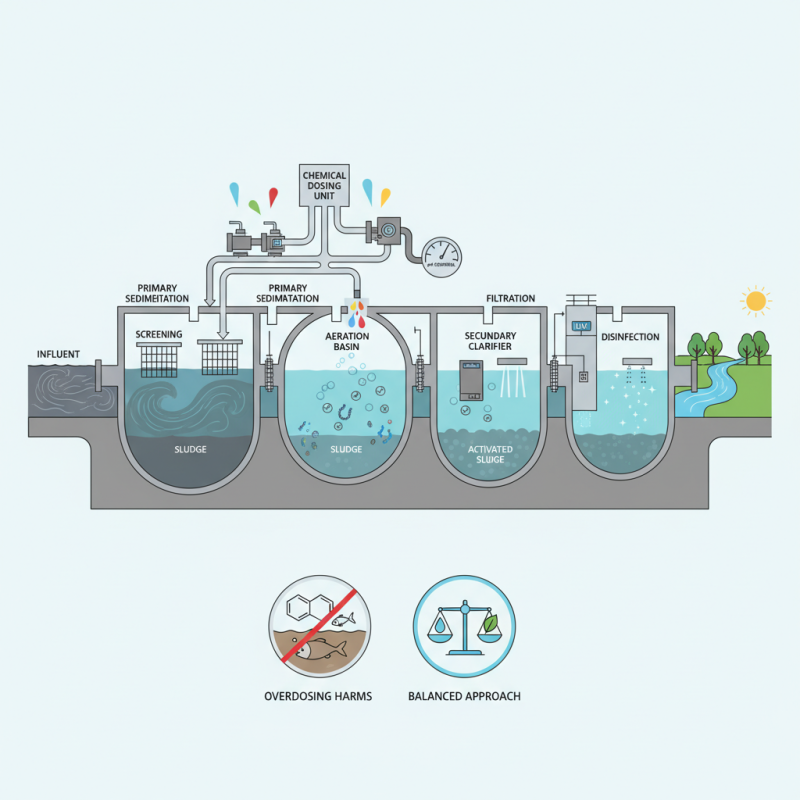
Why is Chemical Dosing Crucial for Effective Wastewater Treatment?

Understanding the Role of Chemical Dosing in Wastewater Treatment

Chemical dosing plays a pivotal role in wastewater treatment. It involves adding specific chemicals to degrade contaminants. This process ensures that harmful substances are neutralized. The right dosage promotes effective coagulation, flocculation, and disinfection. For instance, chlorine or ozone may be used for disinfection. This kills pathogens that could threaten public health.

However, achieving the perfect balance in chemical dosing isn’t always straightforward. Excessive dosing can lead to toxic by-products. These can hinder the natural treatment processes that follow. On the other hand, too little can allow contaminants to remain. Operators must continuously monitor water quality. They need insights into the changing characteristics of wastewater.

Understanding this complexity is essential. Skilled professionals should design dosing systems based on specific needs. Regular testing is critical to maintain effectiveness. This attention to detail can mean the difference between clean water and pollution. Adopting robust practices strengthens the reliability of wastewater treatment facilities.

Types of Chemicals Used in Wastewater Treatment Processes

Chemical dosing plays a vital role in wastewater treatment. Various chemicals are utilized to ensure optimal functionality in the treatment process. Key types include coagulants, flocculants, and disinfectants. Coagulants help to bind suspended particles together, forming larger aggregates. This process improves sedimentation rates in clarifiers, making solids easier to remove.

Flocculants amplify this effect by promoting the aggregation of particles. They enhance the efficiency of removing contaminants, ensuring clearer treated water. Disinfectants, such as chlorine or ozone, are crucial for eliminating pathogens. Safe and effective disinfection guarantees the treated water is suitable for discharge or reuse.

Tips for effective chemical dosing: Regularly monitor chemical concentrations for optimal performance. Adjust dosing based on wastewater composition to avoid overdosing or underdosing. Understand the specific needs of your treatment process; misuse of chemicals can lead to ineffective treatment or environmental harm. It's important to have clear protocols in place and to adapt as necessary. Consistent evaluation fosters both efficiency and compliance with safety standards.

Benefits of Accurate Chemical Dosing for Environmental Compliance

Accurate chemical dosing plays a vital role in wastewater treatment. Precise dosing ensures that harmful substances are neutralized effectively. This compliance reduces pollution and protects aquatic ecosystems. When chemicals are added in correct proportions, the overall treatment process becomes more efficient.

Misjudging chemical amounts can lead to issues. Overdosing may cause toxic byproducts, while underdosing might leave contaminants untreated. Both scenarios can result in regulatory non-compliance. This not only affects the environment but also incurs penalties. Regular monitoring is essential to make adjustments in real-time.

Tips: Always calibrate dosing equipment regularly. This prevents discrepancies that can impact treatment effectiveness. Engage with experts to assess dosing needs accurately. Training staff on chemical handling is crucial for safety and compliance. Consistent evaluation of chemical performance will help identify areas for improvement.

Impact of Chemical Dosing on Treatment Efficiency and Cost-Effectiveness

Chemical dosing plays a vital role in wastewater treatment. It enhances the efficiency of processes like coagulation, flocculation, and disinfection. By accurately adding chemicals, facilities improve the removal of contaminants from water. This precision leads to cleaner effluent, ensuring compliance with environmental regulations.

Cost-effectiveness is another significant aspect of chemical dosing. Proper dosing minimizes chemical waste, lowering overall operational costs. However, miscalculation can lead to overuse, which is both wasteful and expensive. Facilities must regularly assess their dosing requirements. Continuous monitoring is essential to achieve optimal results.

While chemical dosing has benefits, it presents challenges too. Balancing chemical types, quantities, and timing can be complex. Facilities may struggle with these factors, impacting efficiency. Regular training and updates can mitigate risks. Investing in skilled personnel boosts overall effectiveness and adaptability in operations.

Challenges and Solutions in Chemical Dosing for Wastewater Management

Effective chemical dosing plays a vital role in wastewater treatment. However, managing this process is fraught with challenges. One significant issue is the precise measurement of chemicals. Incorrect dosing can lead to insufficient treatment or chemical excess, which can harm aquatic environments. Operators must constantly monitor chemical levels, which adds complexity to their workload.

Another challenge is the variability of wastewater composition. Different sources can introduce diverse contaminants. This variability demands adaptable dosing strategies, complicating treatment plans. Sometimes, treatment facilities struggle to adjust quickly enough, resulting in inefficient processes.

Training operators to handle these challenges effectively is essential. Moreover, incorporating automated systems can enhance dosing accuracy. A blend of experience and technology may provide the best approach. Addressing these challenges is crucial for sustainable wastewater management. Balancing efficiency and safety remains a constant concern in the industry.

Why is Chemical Dosing Crucial for Effective Wastewater Treatment? - Challenges and Solutions in Chemical Dosing for Wastewater Management

Parameter Importance Challenges Solutions
pH Levels Ensures optimal reaction conditions Fluctuations due to varying wastewater composition Automated pH monitoring and dosing systems
Chemical Compatibility Avoids adverse reactions Lack of data on chemical interactions Conduct compatibility tests routinely
Dosing Accuracy Ensures effective treatment Human error in manual dosing Implement automated dosing systems
Environmental Impact Minimizes harmful effects on ecosystems Potential for over-dosing Use of biodegradable chemicals
Cost Efficiency Reduces operational costs High initial investment for equipment Long-term savings with proper planning

FAQS

: What types of chemicals are used in wastewater treatment?

: Key chemicals include coagulants, flocculants, and disinfectants. Each serves a specific purpose in treatment.

How do coagulants function in wastewater treatment?

Coagulants bind suspended particles together. This helps form larger aggregates for easier removal during sedimentation.

What is the role of flocculants?

Flocculants promote particle aggregation. They enhance the removal efficiency of contaminants, leading to clearer treated water.

Why are disinfectants important in treatment?

Disinfectants eliminate pathogens. Their effective use ensures treated water is safe for discharge or reuse.

What tips enhance effective chemical dosing?

Regularly monitor concentrations and adjust dosing based on wastewater composition. Avoid overdosing or underdosing chemicals.

What are the risks of incorrect chemical dosing?

Overdosing can create toxic byproducts. Underdosing may result in untreated contaminants, leading to regulatory issues.

How can challenges in chemical dosing be managed?

Operators need training and should use automated systems. This helps ensure accuracy and efficient treatment processes.

Why is regular calibration of dosing equipment necessary?

Calibration prevents discrepancies. It is crucial for maintaining effective treatment and ensuring compliance with safety standards.

What are the impacts of wastewater composition variability?

Different contaminants require adjustable dosing strategies. This variability complicates treatment planning and may lead to inefficiencies.

How can operators improve chemical dosing performance?

Engage with experts and train staff on proper handling. Regular evaluation can identify areas needing improvement.

Conclusion

Chemical dosing plays a pivotal role in wastewater treatment, and understanding why is chemical dosing important in wastewater treatment is essential for effective management of water quality. Various chemicals, such as coagulants, flocculants, and disinfectants, are employed to enhance the removal of pollutants and pathogens from wastewater. Accurate dosing not only ensures compliance with environmental regulations but also improves treatment efficiency, optimizing the overall process and leading to cost-effective operations.

Despite its benefits, challenges in chemical dosing exist, including variability in wastewater composition and the need for precise measurement. Addressing these challenges through advanced monitoring and automated systems can significantly enhance the reliability of chemical dosing in wastewater management, ultimately leading to a more sustainable approach in protecting water resources.

Henry

Henry

Henry is a dedicated marketing professional with a profound expertise in the company's offerings. With years of experience in the industry, he possesses an impressive understanding of the market dynamics and consumer behaviors that drive success. Henry is committed to sharing his insights through......