Olaprixa Industrial
Wastewater treatment plays a vital role in maintaining environmental health. It involves processes that convert polluted water into clean water. This transformation is essential for many ecosystems and communities. Yet, many still question: what are the environmental benefits of wastewater treatment?
Effective treatment reduces harmful pollutants. This process protects local waterways, wildlife, and even human health. Treated wastewater can replenish groundwater, which is critical in drought-prone areas. In many cases, this water supports agriculture and industry, highlighting its economic importance.
However, challenges remain. Not all facilities are equipped for advanced treatments. Some regions lack adequate infrastructure to manage wastewater effectively. Public awareness is still low. It is crucial to address these gaps and highlight the importance of investing in better wastewater management systems for future sustainability.
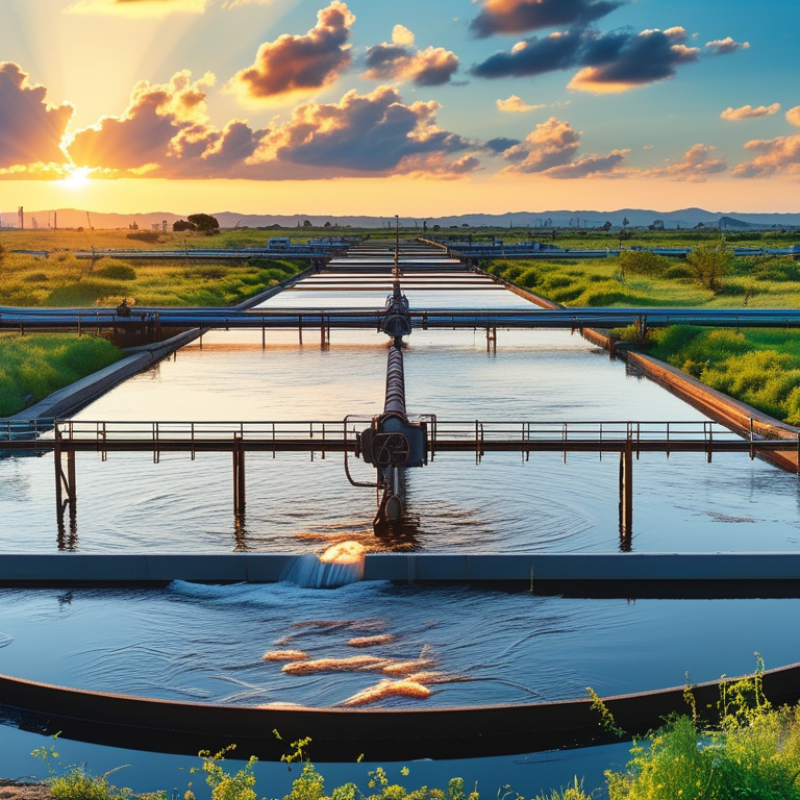
Wastewater treatment plays a pivotal role in promoting environmental sustainability. According to the United Nations, over 80% of the world's wastewater is released back into the environment without treatment. This practice can severely disrupt ecosystems and contaminate freshwater resources. Effective wastewater treatment can mitigate these impacts, ensuring that pollutants do not harm aquatic life.
In small towns and urban areas, the importance of efficient wastewater management cannot be overstated. The Water Environment Federation reports that treating wastewater can reclaim valuable water resources, which can reduce the demand on freshwater supplies by up to 50%. However, the infrastructure for such treatment is often outdated or inadequate. Many municipalities struggle to maintain their treatment facilities, resulting in leaks and inefficiencies. Addressing these issues requires investment and commitment.
The environmental benefits of wastewater treatment extend beyond just cleaner water. Research from the Environmental Protection Agency shows that well-managed facilities can lower greenhouse gas emissions by preventing methane from reaching the atmosphere. However, challenges remain. Many facilities are not equipped to handle increased volumes due to urbanization, leading to overflow incidents. Continuous improvement in wastewater treatment technology is essential for addressing these gaps and fostering a sustainable future.
Wastewater treatment plays a pivotal role in maintaining our environment. Various processes ensure contaminants are removed before water returns to nature. These processes include primary, secondary, and tertiary treatment.
Primary treatment focuses on removing large solids through physical separation. This step is crucial but may overlook smaller toxic substances. Secondary treatment employs biological processes to break down organic matter. Microorganisms thrive in aeration tanks, converting waste into biodegradable forms. Tertiary treatment further purifies the water, using advanced methods like filtration and chemical disinfectants.
Tips: Always monitor your local wastewater facilities. Understanding their processes can create community awareness. Participate in local conservation efforts, as every bit counts. Consider reducing water usage to ease the treatment burden. Simple changes at home can lead to significant environmental gains. Even small actions matter. Recognizing the limits of these processes can spark discussions on improvement. While current methods serve us well, we must always seek smarter, more sustainable solutions.
| Process Stage | Description | Environmental Benefits | Key Technologies Used |
|---|---|---|---|
| Preliminary Treatment | Removal of large solids and debris from wastewater. | Reduces clogging and wear on equipment; protects downstream processes. | Screening, Grit Removal |
| Primary Treatment | Sedimentation to remove suspended solids and organic matter. | Reduces pollution load entering secondary processes; improves water clarity. | Sedimentation Tanks, Clarifiers |
| Secondary Treatment | Biological processes to degrade organic pollutants. | Significantly reduces biochemical oxygen demand (BOD), enhancing water quality. | Activated Sludge, Trickling Filters |
| Tertiary Treatment | Advanced treatment processes for nutrient removal and disinfection. | Removes remaining contaminants, enabling water reuse and ecosystem protection. | Filtration, Reverse Osmosis, UV Disinfection |
| Sludge Treatment | Processing of the solid waste generated during treatment. | Reduces volume and stabilizes the waste for safe disposal or reuse. | Anaerobic Digestion, Composting |
Wastewater treatment plays a crucial role in protecting ecosystems and promoting biodiversity. When treated, wastewater can be a vital resource for restoring natural habitats. It provides irrigation for agricultural lands and replenishes groundwater supplies. The process helps remove harmful pollutants, ensuring that the water returned to nature supports life, rather than diminishes it.
Treated wastewater can nurture plant growth and sustain animal populations. This resource can enhance wetlands, which are critical for many species. These areas act as natural filters, soaking up nutrients and pollutants. They provide food and shelter for birds, fish, and other wildlife. However, proper treatment is essential. Inadequate processes can lead to nutrient overloads, harming delicate ecosystems.
Engaging in wastewater treatment requires investment and innovation. Not all facilities prioritize eco-friendly methods, risking biodiversity loss. Awareness and education can drive positive change. Communities must monitor local treatment processes closely. While strides have been made, continued oversight is vital to ensure environmental health and biodiversity preservation.
Effective wastewater management is not just about treating water. It brings significant economic benefits. Proper treatment processes can reduce costs associated with environmental damage. Cleaning water allows communities to reuse and repurpose it, promoting sustainable practices. This saves money for local governments and residents.
Investing in wastewater treatment can create jobs. These projects often require skilled labor and ongoing maintenance. As demand for clean water increases, new opportunities arise in related fields. Local economies thrive when efforts are made to enhance wastewater systems. Sustainable practices lead to a circular economy.
Tips: Regularly assess your water usage. Small changes can lead to reduced wastewater. Consider adopting new technologies to monitor and treat water efficiently. Engage with your community to raise awareness about conservation and management practices. Every effort counts in making a positive impact.
The chart above illustrates the key environmental and economic benefits of effective wastewater management. The data highlights improvements in water quality, public health, economic growth, environmental restoration, and energy recovery, showing significant percentages for each benefit.
Innovations in wastewater treatment technology are essential for sustainable environmental management. Traditional methods often struggle with efficiency and cost. Advanced techniques are emerging, such as membrane bioreactors and microbial fuel cells. These innovations promise to enhance pollutant removal and resource recovery.
However, these technologies face challenges. They require significant investment and skilled personnel to operate effectively. Many municipalities lack the funds for upgrading systems. Additionally, public perception often hinders acceptance of new solutions. Education about the importance of these technologies can help bridge this gap.
Another point of concern is the environmental impact. While new methods can reduce waste, they may involve chemicals that can be harmful. Balancing effectiveness and safety remains crucial. As these technologies evolve, continuous research and adaptation are necessary. Stakeholders must collaborate to ensure that wastewater treatment advances without compromising environmental integrity.
: It helps to prevent pollution in ecosystems. Without treatment, 80% of wastewater can harm freshwater resources.
The processes include primary, secondary, and tertiary treatments. Each step targets specific contaminants in the water.
Primary treatment removes large solids using physical separation. However, it may miss smaller toxic substances, which is a concern.
Secondary treatment uses microorganisms to break down organic matter. This process helps convert waste into biodegradable forms effectively.
Innovations like membrane bioreactors and microbial fuel cells are emerging. These aim to enhance pollutant removal and resource recovery.
Significant investment and skilled personnel are required. Many municipalities struggle with funding upgrades, hindering progress.
Understanding local facilities and processes fosters better conservation efforts. Every community member's action counts toward environmental sustainability.
Some innovations may use harmful chemicals. Balancing efficiency with safety is critical in wastewater treatment advancements.
Reduce water usage and support local conservation initiatives. Small actions at home can make a big difference.
Public perception often affects acceptance. Education on the benefits of these technologies can help overcome skepticism.
Wastewater treatment plays a vital role in promoting environmental sustainability by effectively removing pollutants before water is returned to ecosystems. By understanding the processes involved in wastewater treatment, we can appreciate how treated water not only protects natural habitats but also supports biodiversity by ensuring cleaner waterways. What are the environmental benefits of wastewater treatment? The answer lies in its ability to reduce nutrient loading, thus preventing harmful algal blooms and enhancing the overall health of aquatic ecosystems.
Moreover, the economic benefits of effective wastewater management cannot be overlooked, as it contributes to better public health and reduces environmental restoration costs. However, challenges remain, including the need for innovative technologies to enhance treatment efficiency. Continued advancements in wastewater treatment processes are essential to meet environmental goals and ensure sustainable resource management for future generations.
