Olaprixa Industrial
Olaprixa Industrial
Olaprixa Industrial
Ultrafiltration (UF) systems have emerged as critical milestones in modern water purification. Characterized by pore sizes ranging from 0.01 to 0.1 microns, UF membranes successfully block high-molecular-weight substances, colloidal materials, organic polymer molecules, and microbiological pathogens, allowing only water and low-molecular-weight solutes to pass through.
Global desalination and ultrapure water projects face chronic membrane fouling issues. Using hollow-fiber Ultrafiltration as a pretreatment step guarantees a Silt Density Index (SDI15) of less than 2.5, significantly extending RO membrane lifespans, dropping energy costs, and maximizing recovery ratios.
Cities globally are adopting strict reuse goals. UF acts as the final physical separation barrier in Membrane Bioreactors (MBR) and tertiary polishing systems, providing reliable effluent free from suspended solids and pathogenic vectors.
From heavy chemical processing to cooling tower blowdowns, UF units permit factories to run on closed-loop liquid cycles, achieving Zero Liquid Discharge (ZLD) when coupled with high-pressure reverse osmosis and chemical dosing technologies.
Pore Filtration Standard
Pathogen & Virus Removal
PVDF Membrane Lifetime
Fouling Prevention Savings
Purchasing engineers must navigate materials, flow patterns, and chemical configurations to ensure systemic stability. The table below represents standard choices in modern industrial UF installations.
| Feature Parameter | Polyvinylidene Fluoride (PVDF) | Polyethersulfone (PES) | Ceramic Membrane Systems |
|---|---|---|---|
| Mechanical Strength | High (Virtually Unbreakable fibers) | Moderate (Requires gentle operations) | Excellent (Indestructible under normal pressure) |
| Chemical Tolerance | Extreme (Highly resistant to Chlorine/CIP) | Good (pH limits 2-12) | Outstanding (Fully solvent and acid proof) |
| Average Flux Rate | 60 - 110 LMH | 50 - 90 LMH | 120 - 300 LMH |
| Typical Applications | Industrial Wastewater, RO Pretreatment | Drinking Water, Food & Beverage | High Temperature / Oil-Water Emulsion |
| CapEx Cost Ratio | Medium-High | Medium | Very High |
An ultrafiltration membrane system never operates in isolation. For a UF plant to work efficiently, it relies on complex pretreatments and secondary treatments. This is where advanced manufacturing companies like Shanghai Olaprixa bridge the gap by offering comprehensive engineering setups.
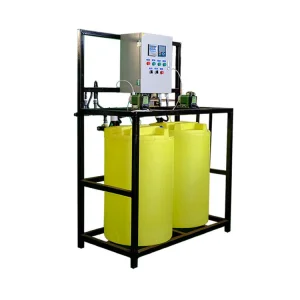
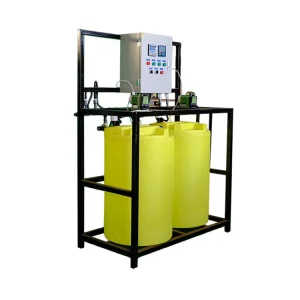
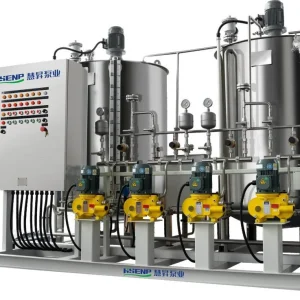
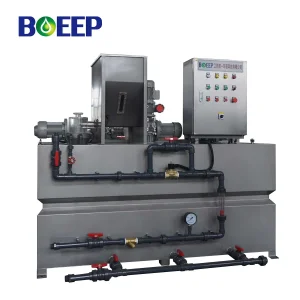
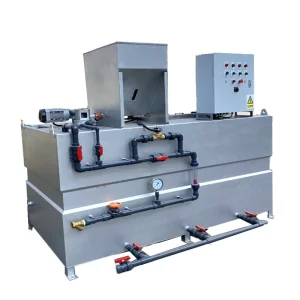
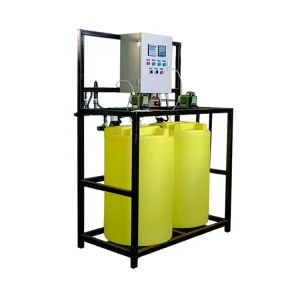
Suspended colloids require chemical aggregation before reaching membrane modules. Automated chemical dosing systems introduce precision amounts of polymers and flocculants. Without high-accuracy dosing skids, membranes face rapid organic fouling, leading to system failure.
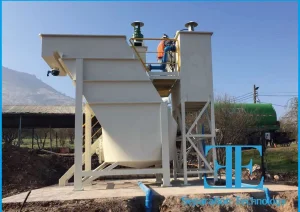
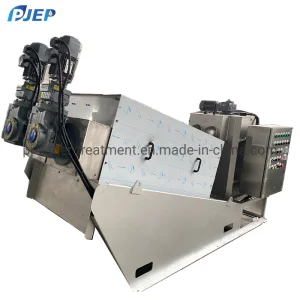
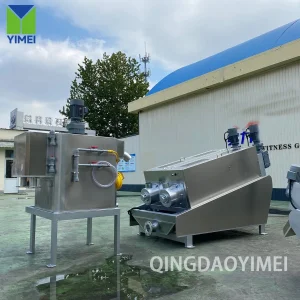
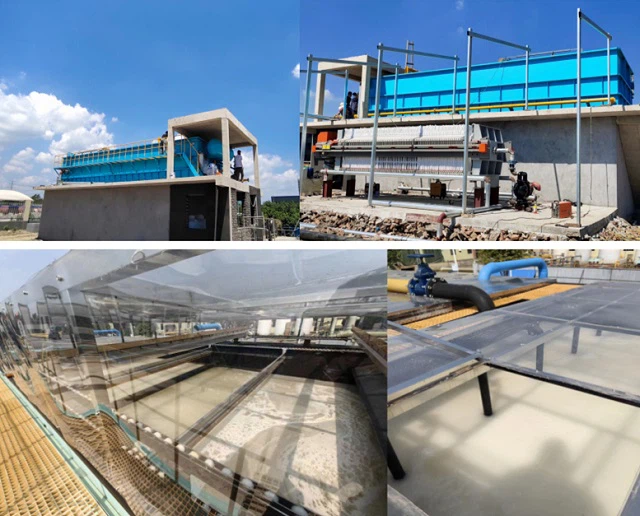
Backwashing UF systems generates continuous rinse streams containing high concentrations of solids. Utilizing lamella clarifiers and screw presses permits factories to concentrate the waste solids into dry sludge cakes, while recovering up to 98% of the backwash water back into the raw feed stream.
Over time, inorganic scale and biological layers reduce membrane flux. Engineered skid assemblies feature dedicated CIP units that flush the membranes with acid and alkaline formulations (often prepared using safe chemical dosing stations) to reset the transmembrane pressure (TMP).
Shanghai Olaprixa Industrial Co., Ltd. is a specialized manufacturer and engineering provider focused on advanced industrial wastewater treatment solutions, integrating sludge processing systems and intelligent chemical dosing technologies. Headquartered in Shanghai, China, the company delivers efficient, reliable, and customized water treatment systems for a wide range of industries including manufacturing, chemical processing, food production, and municipal infrastructure.
Olaprixa offers a comprehensive portfolio covering wastewater treatment equipment, sludge dewatering and thickening systems, and precision chemical dosing units designed to optimize treatment performance and operational efficiency. By combining modern process engineering with automation control, the company ensures stable system operation, reduced environmental impact, and compliance with global discharge standards.
With a strong emphasis on customization, Olaprixa provides tailored water engineering solutions based on specific project requirements, from initial consultation and system design to installation guidance and after-sales technical support. Its team of experienced engineers continuously works to enhance system efficiency, reduce energy consumption, and improve resource recovery.
Committed to sustainability and innovation, Shanghai Olaprixa Industrial Co., Ltd. aims to help global clients achieve cleaner production, water reuse, and long-term environmental responsibility through smart and cost-effective treatment technologies.
Ultrafiltration targets substances ranging from 0.01 to 0.1 microns. It efficiently removes macromolecules, proteins, pathogens, and fine colloids. Microfiltration is coarser (0.1 to 10 microns) and primarily targets larger suspended solids and bacteria. Reverse Osmosis (RO) features non-porous membranes capable of removing dissolved salts and ions. Often, UF is used as a critical safety shield upstream of RO.
TMP is the pressure difference between the feed side and the permeate side of the membrane. As feed solids block the membrane pores, TMP increases to maintain flow rate. Higher TMP requires more pump energy. Systems utilize backwashes and Chemical Enhanced Backwashes (CEB) to lower the TMP back to operational levels, ensuring efficiency.
Feedwaters have varying chemical parameters. Automated chemical dosing controls variables like pH, oxidation level, and coagulant load. Coagulants aggregate smaller particles so the UF membranes can easily retain them on the outer surface without causing deep pore blockage. This minimizes mechanical wear and chemical usage.
With proper pretreatment (such as pre-filtration screen filters and regulated dosing) and regular automated CIP cycles, high-quality PVDF membrane modules last between 5 to 8 years in demanding industrial wastewater setups, and up to 10 years in drinking water facilities.