Olaprixa Industrial
Olaprixa Industrial
Olaprixa Industrial
Designed for immediate integration into wood processing, chemical production, and municipal facilities across Latvia.
An in-depth look at regulatory frameworks, ecological challenges, and localized industrial needs.
Latvia, located on the eastern coast of the Baltic Sea, operates under stringent international and European environmental regulations. The Baltic Sea is one of the most sensitive marine environments globally, subject to intense eutrophication. Consequently, the Helsinki Commission (HELCOM) and the European Union’s Water Framework Directive (2000/60/EC) enforce strict limits on nitrogen, phosphorus, and organic carbon compounds discharged into Latvian river basins (such as the Daugava, Lielupe, and Venta) and the Gulf of Riga.
Industries in Riga, Liepāja, and Ventspils face increasing pressure to modernize their wastewater treatment facilities. Whether handling pulp and paper runoff, pharmaceutical compounds, or food processing effluents, local factories must adopt advanced physical-chemical and biological treatment solutions to achieve compliance and avoid severe municipal surcharges.
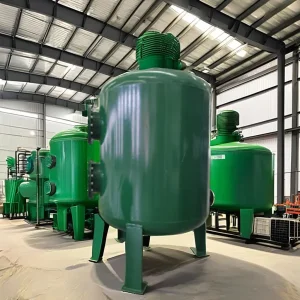
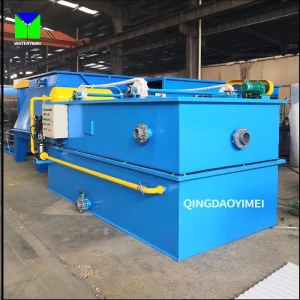
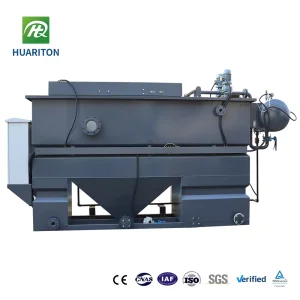
Wastewater management requirements in Latvia are dominated by three primary sectors: Forestry & Wood Processing, Food & Beverage Processing, and Chemical & Pharmaceutical Production. The wood industry generates highly complex effluents containing wood fibers, tannins, and resin acids. Food processors encounter issues with Chemical Oxygen Demand (COD), Biological Oxygen Demand (BOD), and high levels of Fats, Oils, and Grease (FOG). Our tailored wastewater solutions directly address these industrial matrices through customized combinations of Dissolved Air Flotation (DAF), membrane technology, and biological treatment (MBR/MBBR).
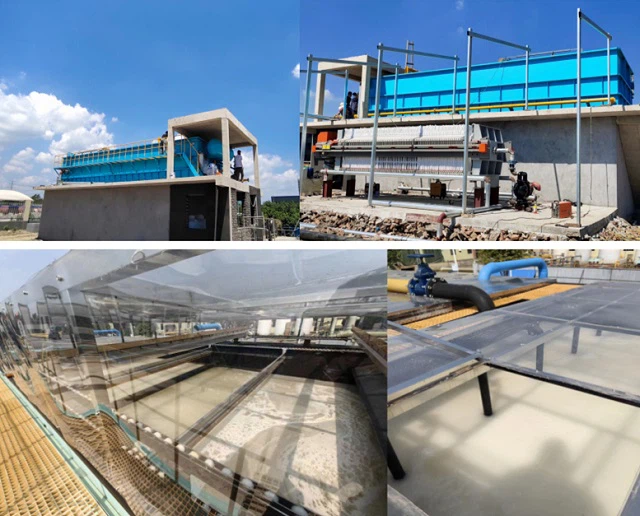
Understanding where and how our wastewater treatment systems protect local water bodies and municipal grids.
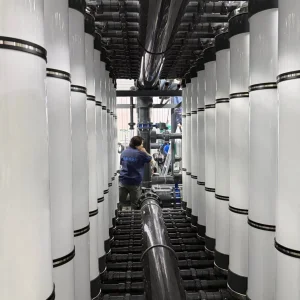
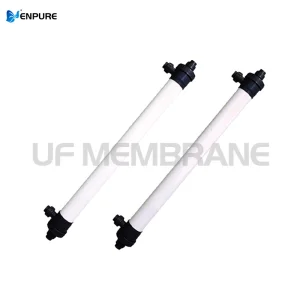
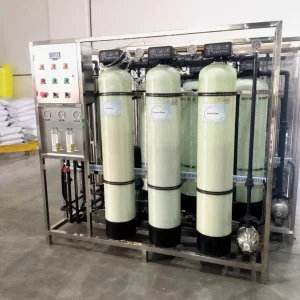
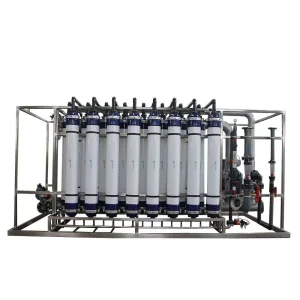
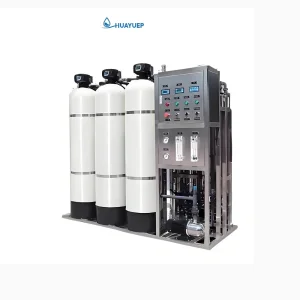
Latvian forestry businesses require robust purification systems to remove chemical lignin compounds, suspended wood dust, and organic polymers. Our Ultrafiltration (UF) and reverse osmosis systems enable closed-loop water recirculation, saving fresh groundwater resources and protecting local water sources from discharge fees.
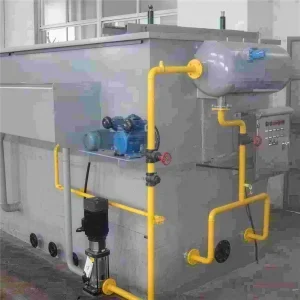
With a historic fishing industry and advanced dairy processing units in central Latvia, dealing with fluctuating organic loads, grease, and proteins is a primary challenge. High-efficiency DAF systems coupled with dynamic chemical dosing remove suspended organic solids rapidly before secondary biological refinement.
Latvia is home to prominent chemical and pharmaceutical developers. The complex, synthetic toxic chemicals in their discharge require intensive biological processing. Membrane Bioreactor (MBR) and Moving Bed Biofilm Reactor (MBBR) technologies provide high-density microbiological treatment to degrade persistent organics.
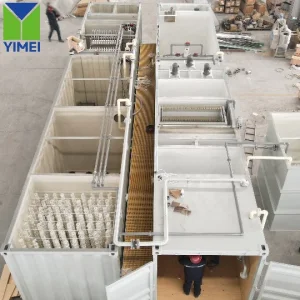
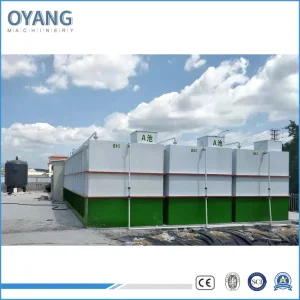
Under Latvia's Cabinet Regulation No. 34 and EU directives, rural settlements and municipalities must implement centralized treatment systems. Integrated sewage container systems featuring UV disinfection offer a cost-effective, decentralized option that operates consistently in low-temperature winter environments.
Bridging High-Tier Chinese Manufacturing with European Standards & Engineering Needs
Shanghai Olaprixa Industrial Co., Ltd. is a specialized manufacturer and engineering provider focused on advanced industrial wastewater treatment solutions, integrating sludge processing systems and intelligent chemical dosing technologies. Headquartered in Shanghai, China, the company delivers efficient, reliable, and customized water treatment systems for a wide range of industries including manufacturing, chemical processing, food production, and municipal infrastructure.
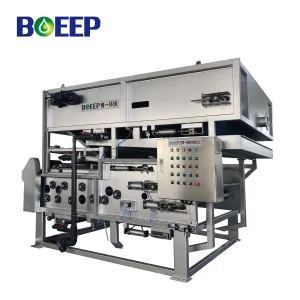
Olaprixa offers a comprehensive portfolio covering wastewater treatment equipment, sludge dewatering and thickening systems, and precision chemical dosing units designed to optimize treatment performance and operational efficiency. By combining modern process engineering with automation control, the company ensures stable system operation, reduced environmental impact, and compliance with global discharge standards.
With a strong emphasis on customization, Olaprixa provides tailored water engineering solutions based on specific project requirements, from initial consultation and system design to installation guidance and after-sales technical support. Its team of experienced engineers continuously works to enhance system efficiency, reduce energy consumption, and improve resource recovery.
Committed to sustainability and innovation, Shanghai Olaprixa Industrial Co., Ltd. aims to help global clients achieve cleaner production, water reuse, and long-term environmental responsibility through smart and cost-effective treatment technologies.
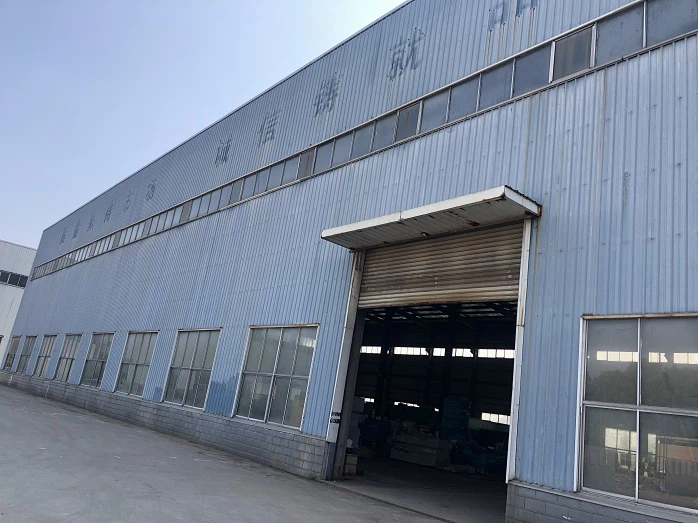
Our position in the Shanghai industrial corridor allows us to optimize supply chains and procure high-end components (Siemens PLCs, Schneider electronics, Grundfos pumps, Toray/Dow membranes) at competitive prices, passing savings directly to buyers.
We build plug-and-play skid-mounted structures. The units are fully constructed, programmed, and wet-tested in our factory before containerized shipment, minimizing on-site installation and civil works in Latvia.
Every system exported to the Baltic states is CE certified, conforms to Eurocodes for mechanical structures, and aligns with EN standards for electrical panels and pressure vessels.
How the evolution of wastewater technology impacts international purchase decisions.
Global procurement teams no longer look only at CAPEX. The primary cost factors over a system's lifespan are energy consumption, chemical usage, and membrane replacement intervals. Our systems integrate AI-assisted chemical dosing systems that read inline sensor values (pH, turbidity, conductivity) in real time to calculate precise polymer/coagulant needs, reducing chemical waste by up to 30%.
Furthermore, by optimizing air diffuser arrays and utilizing energy recovery units in RO systems, we significantly lower electrical consumption—a key consideration in the Baltic region where energy prices dictate production margins.
Modern wastewater plants are transitioning from "destruction centers" to "recovery centers." Latvian industries are actively exploring ZLD configurations. In wood-pulp processing, our electrodialysis and membrane filtration systems recover valuable sodium hydroxide (alkaline recovery) while reclaiming clean process water for boiler feed or cooling towers. Similarly, sludge dewatering systems generate dry cakes suitable for agricultural fertilization or biomass energy production.
Expert answers addressing the practical, technical, and regulatory concerns of Latvian water system procurement.
Explore our complete range of high-efficiency filters, membrane separators, and heavy-metal remediation systems.